


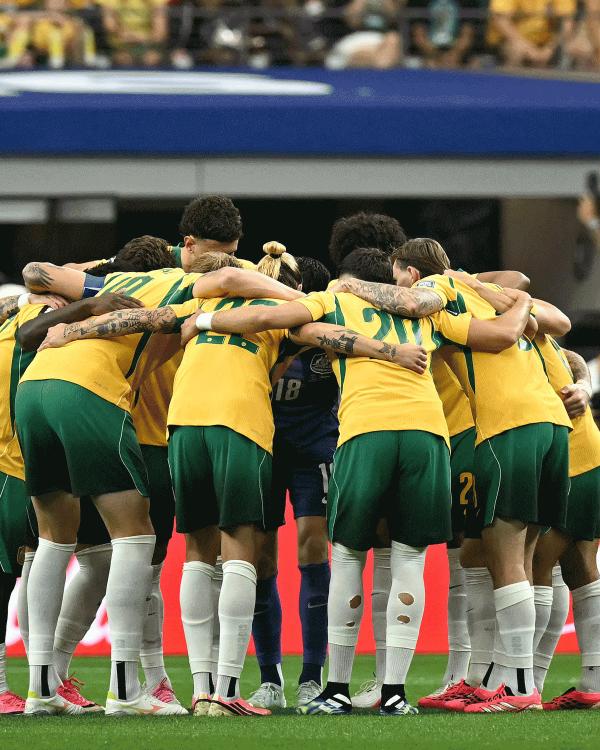
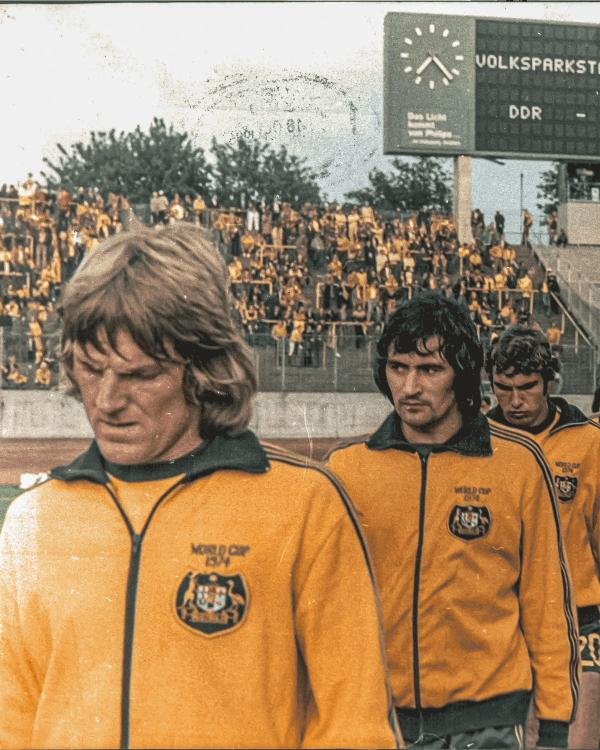
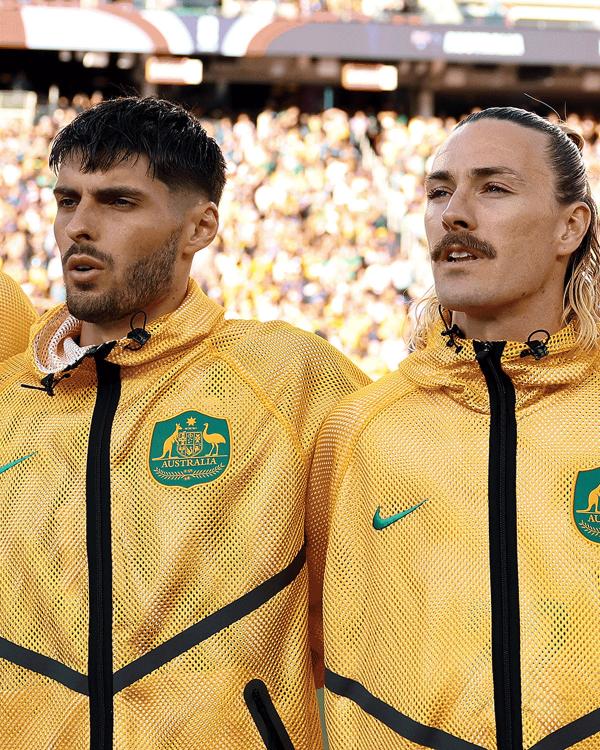

The CommBank Socceroos recently concluded their two-match FIFA Series 2026™ against Cameroon and Curaçao.

And as the team prepares to head to a sixth consecutive FIFA World Cup™ we caught up with former Socceroo, Luke Wilkshire.
The versatile footballer, who played 80 full internationals and competed in the 2006 and 2010 Finals, looks back with pride at his achievements and feels a sense of anticipation as the World Cup in June steadily approaches.
As a four year old boy, Wilkshire the current Wollongong Wolves NPL coach, craved a football at his feet.
“I watched World Cups and adorned my walls with posters of the World Cup, Socceroos and the EPL," says Wilkshire.
“I watched all of Pele’s training videos and tried to emulate all his skills when training by myself.
“I remember telling my mother I wanted to reach the pinnacle in the game and watched a lot of senior players to hone my skills which influenced my progression to the Illawarra Academy of Sport at the age of thirteen."
At the age of 16 while at the NSW Institute of Sport, Wilkshire received a Big Brother Scholarship to visit Middlesbrough FC.
Subsequently, he played in the Milk Cup during October, 1998 but was sent off in his first match after half an hour which he thought would ruin any chance of being signed by the club.
“Ironically, my father informed me Middlesbrough had offered me a three year contract," he said.
"The coaching staff commented, 'the kid had some ability, and particularly possessed an obvious desire and desperation to make an impact'.
“At Middlesbrough, there was nothing to do but play football because it was a dreary place with exceptionally bad weather.
“Fortunately, my time at the AIS where I trained morning and afternoon assisted me to adjust to the environment and my underlying drive to succeed was critical at the time.
“Crossing paths every day with players of the calibre of Juninho, Christian Karembeu, Paul Ince, George Boateng and Paul Gascoigne was also a great motivation to play at the highest level possible.”
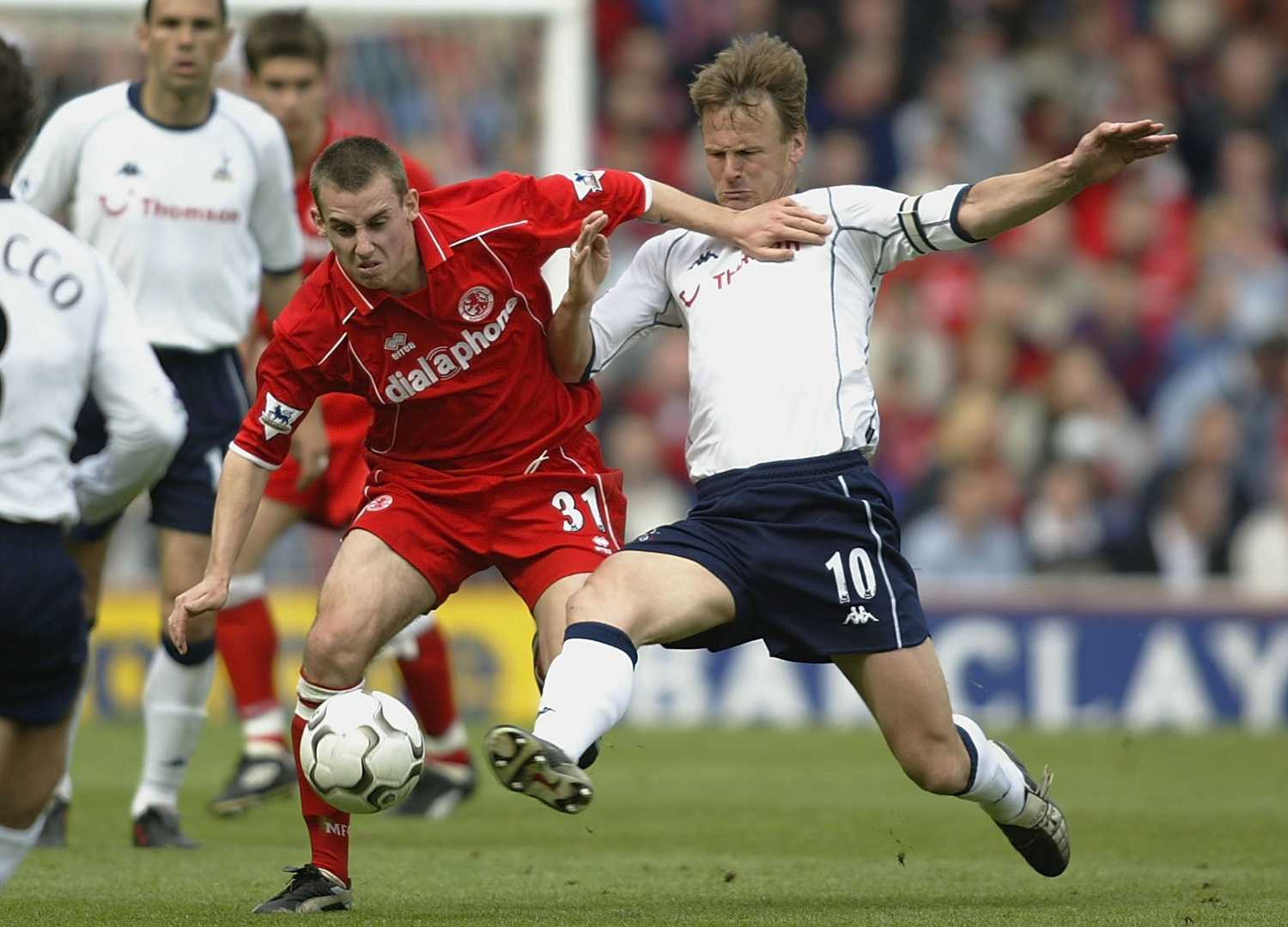
However, it was difficult to command a spot in the first team squad and in the four years he was at the club, Wilkshire was in and out of the team.
When Steve McClaren, the former assistant coach to Sir Alex Ferguson at Manchester United, was the manager he made life very difficult for Wilkshire.
“It just didn’t seem to matter how I played, I just couldn’t seem to please him," he said.
“I just wanted to play regularly so I moved to Bristol City which was probably the worst three years of my football career.
"Bristol City was a big club which had its eyes on promotion to the Championship but in that year, 2003, we lost in the playoff final."
Unfortunately, Wilkshire was not treated fairly by Bristol City manager, Gary Johnson, in the season leading up to the 2006 World Cup in Germany when he was on the fringe of selection in Guus Hiddink’s squad.
“It was six months out from the World Cup and I was mainly on the bench, despite giving my all at every training session," he added.
Luckily Guus Hiddink and Graham Arnold had seen enough of Wilkshire and believed in him enough to warrant World Cup selection.
Fortunately, Wilkshire secured a move to Eredivisie outfit FC Twente a few months before the World Cup started in June, 2006.
“After my previous six months at Bristol City which was a very tough time, it was a massive experience to make the squad for Australia’s first World Cup Finals in thirty two years," he admitted.
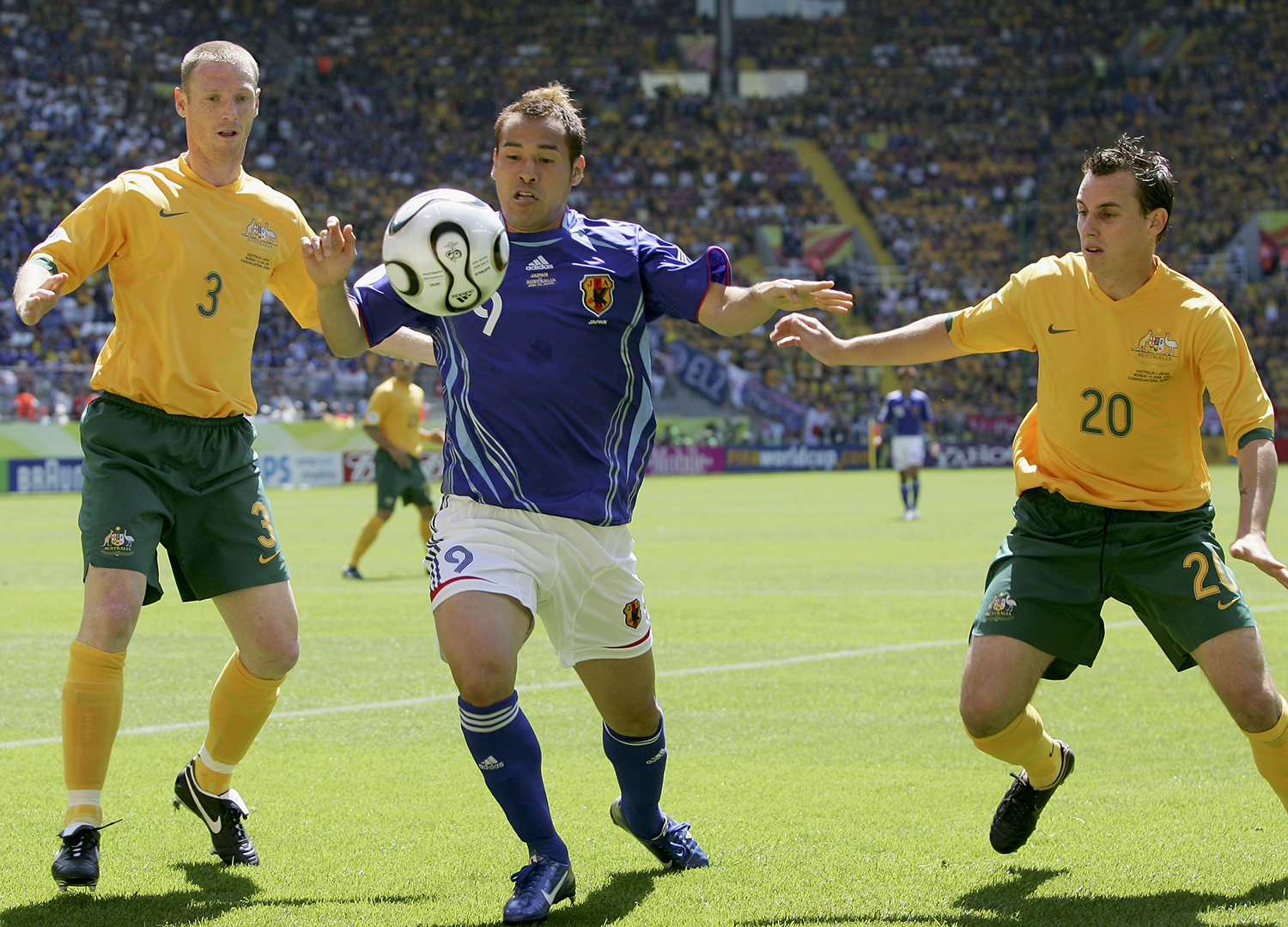
“Ironically, before the first round match against Japan, Tim Cahill and I were room mates and Graham Arnold came to the room to advise Tim he wasn’t starting the match.
“Soon after I received a visit to confirm I was in the starting lineup.
“I had mixed emotions because I was close to Tim and after my experience at Bristol City, I really felt for him.
“Was this a plan by Guus Hiddink to motivate Tim?
“I wasn’t sure but in the end Tim produced the goods against Japan to put the team on its way in the tournament."
The second match against Brazil was a bigger challenge when lining up against world stars like Adriano, Roberto Carlos, KaKa, Ronaldo and Robinho.
Brazil won the contest 2-0 but the Socceroos weren’t disgraced as Mark Viduka and Harry Kewell were unlucky not to score with guilt edge chances in the second half.
Wilkshire didn’t play in the third group game against Croatia but the 2-2 draw was a wonderful achievement which qualified the Socceroos for their first quarter finals in a World Cup Final series.
The match was notable for the fact that the Croatian squad contained three Aussie produced footballers in Anthony Seric, Josip Simunic and Joey Didulica.
“In the quarter final against Italy we controlled the game after (Marco) Materazzi was sent off in the 52nd minute but (Fabio) Cannavaro was magnificent in subduing Mark Viduka," he continued when looking ahead to their maiden Round of 16 clash against the Azzurri.
“The plan was to bring Josh Kennedy on in extra time but as history records we didn’t get that far.
“I remember being on holidays watching the semi finals, and subsequently seeing Italy parading the World Cup after their final victory against France, was even more frustrating."
Fortunately, Wilkshire was selected for his second World Cup Finals in South Africa in 2010 and his memories of the great German team who trounced the Socceroos 4-0 remain vividly in his mind.
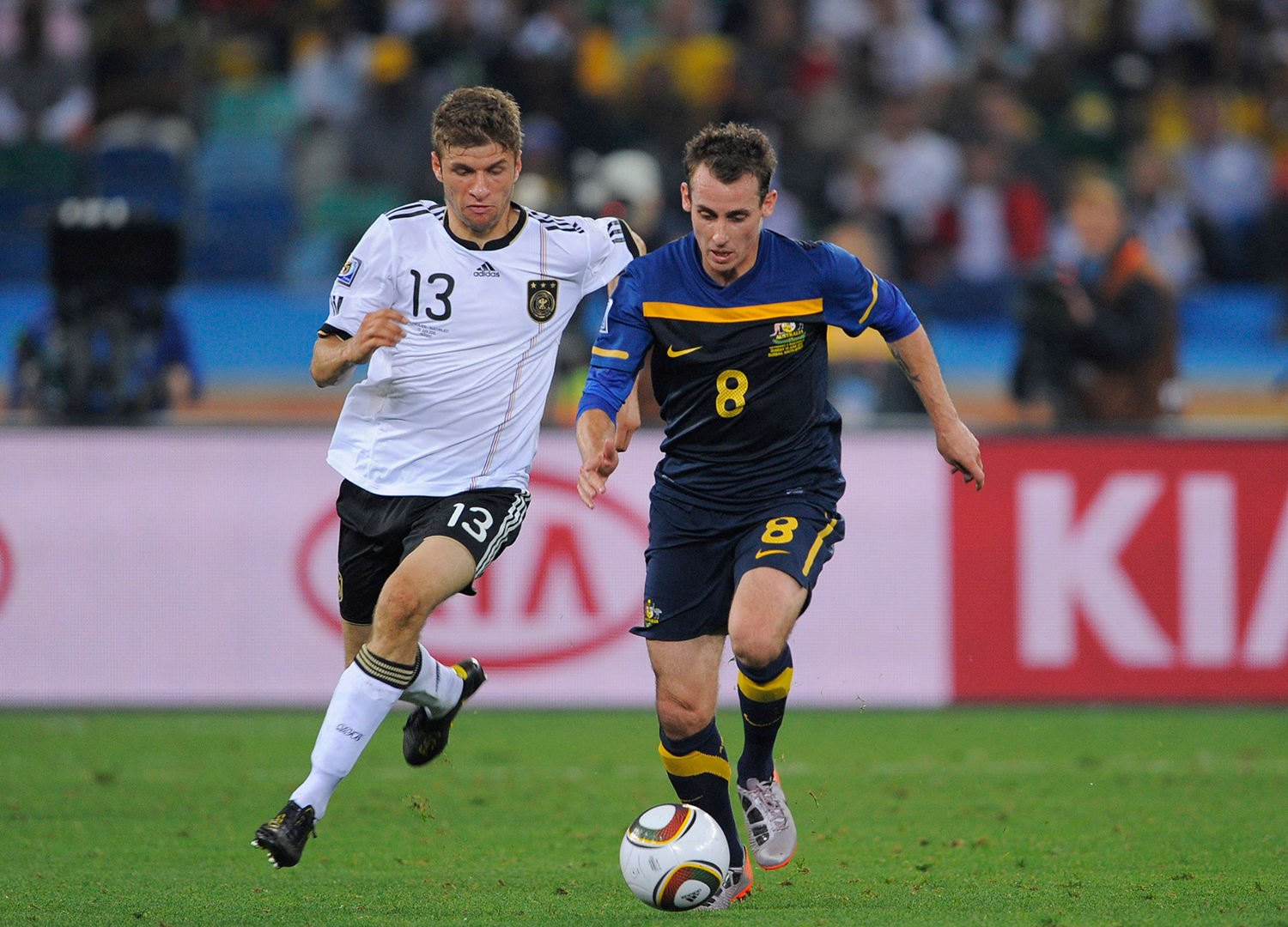
“Playing the might of Germany parading superstars like Sami Khedira, Philipp Lahm, Bastian Schweinsteiger, Jerome Boateng, Toni Kroos, Miroslav Klose, Lukas Podolski and Manuel Neuer was tough enough but when Timmy Cahill was sent off in the 56th minute, it was a mountain we just couldn’t climb," he stated.
In the second match against Ghana, Harry Kewell was also dismissed in the 25th minute which didn’t aid the Socceroos' cause.
“I had a big chance in the second half when I went one on one with the Ghanaian keeper but l didn’t make it happen," he lamented.
“Things may have been remarkably different if I’d kept my cool and scored that goal.”
“Although, we beat Serbia 2-1 in the third match we were relying on Germany doing the job on Ghana but unfortunately that never happened.
"Therefore, my World Cup dream was over.”
Nevertheless, it had been a wild ride for the boy from Albion Park who could never have imagined he would represent his country in two World Cup appearances.
"It was more than football because I formed lifelong friendships with Mark Schwarzer when I first played with him at Middlesbrough, with Lucas Neill who was the life of the party, with Craig Moore who I played with in the 2004 Olympic Games and of course Tim Cahill who I still keep regular contact," he explained.
After playing at FC Twente from 2006-2008, Wilkshire ventured to the unknown by signing with Dynamo Moscow and experienced six years in the Russian League.
“Before I signed with the club I witnessed the derby with Spartak Moscow in front of a packed stadium," he said.
“The training grounds, facilities and security were second to none.
“I had a fantastic time in Moscow but when the opportunity to return to Sydney occurred in 2017 to play with Sydney FC under Graham Arnold, I grabbed it with open arms."
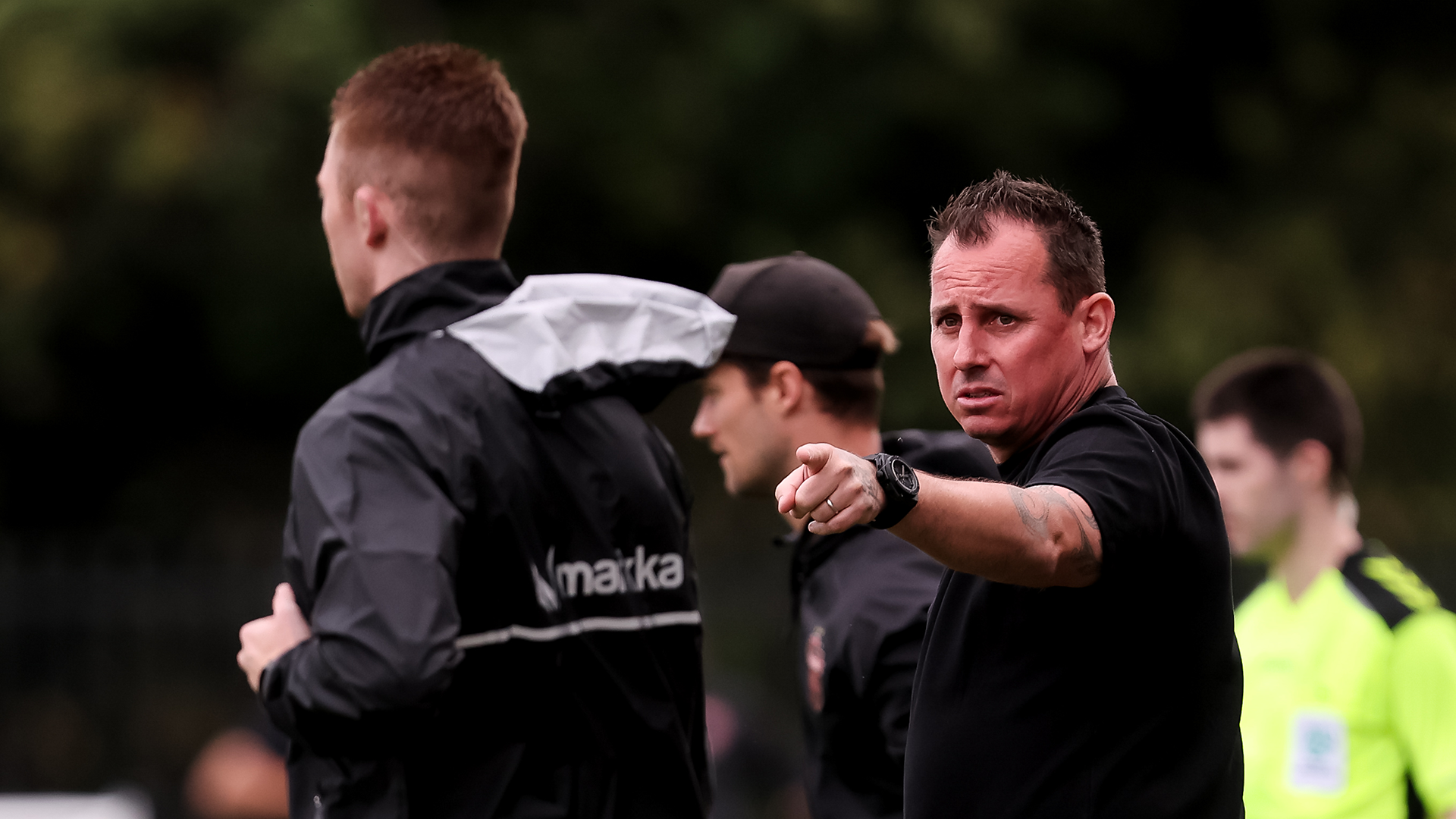
In 2018, Wilkshire returned to Wollongong Wolves and after seven games as a player, he was appointed the club's head aoch coach, succeeding Jacob Timpano.
In his first full year as coach, the club won the NSW NPL Men’s competition in 2019 and he has remained as head coach ever since.
Last year the club participated in the inaugural Australian Championship.
“This competition is a great initiative because the game needs a second division to supplement the A-League which can close the gap in standards with the NPL," Wilkshire believed.
“We had a tough group, but had a great win against eventual finalists Marconi where the 6-0 margin could’ve been much greater.
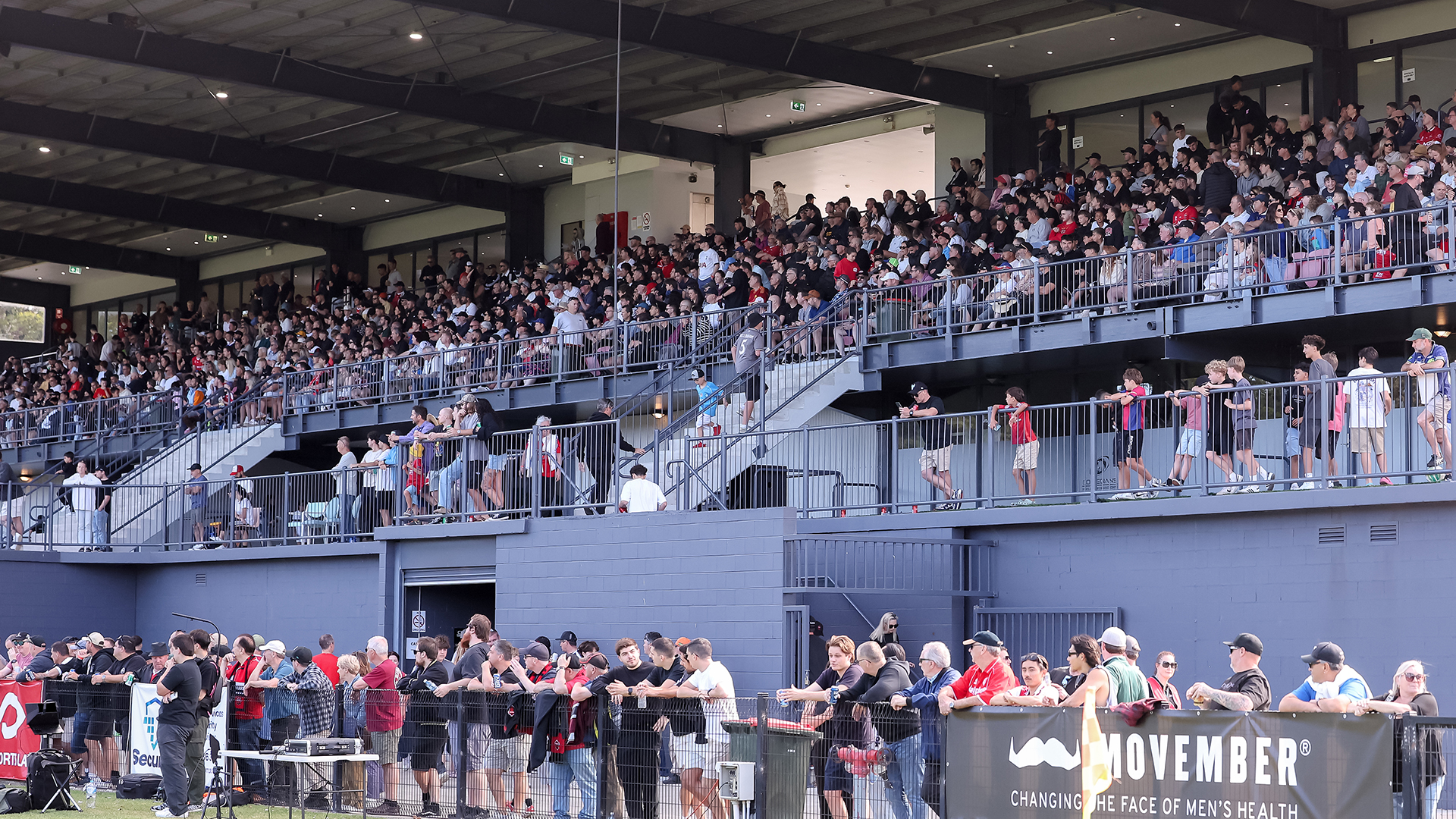
“The Wollongong fans bought into the competition which supported the theory that the foundation clubs from the NSL still have a very important part to play in the game.
“There were certainly lessons to learn from the tournament such as adjusting travel times to allow for greater game preparation in the host city and more attractive broadcast deals.
“However, the standard of football was high as the interstate rivalry was fierce and training was more intense due to the higher level of competition.
“I firmly believe the Australian Championship will thrive in its second year as the interstate rivalries intensify and more football fans identify with the concept through better marketing and promotion.
“I can’t wait until the next series in October when the lessons learned from the first year will place the Wolves in a much better position to achieve improved results in the competition."